
The Smoke and Mirrors of Viral Experiences: When the Marketing Outshines the Event
In the last couple of years, the experience day market has blown up, partly because of the blow-up of social media and the growing time spent online in our daily lives. This is not new and has been widely publicised with a study early this year from Eventbrite with 74% of young adults saying in-person experiences are more important than digital ones, while 49% want events that feel less curated and more authentic. This has created a bit of a wild west of experienced companies that spend more funding on marketing than on the actual event.
This blog is written off the back of having firsthand experience of two of these types of event at both ends of the spectrum and rather than just rip and rant in a review section I am of the fortunate position that I can do this while relating to my work at large so now you get to read my rant in way that will hopefully lend some learnings for you and therapy for me.
Translating swipes to sales the strengths and pitfuls of the social media marketplace
It’s well established that social media plays a big role in marketing, studies by LeMonde in France have highlighted how viral social media has transformed tourism by turning relatively unknown attractions into global destinations. Reporting shows travel-related TikTok posts have grown by more than 410% since 2021, driving significant visitor demand. Meanwhile, in the UK, data from Visit Dorset’s official tourism marketing reports reinforces this trend, with Instagram engagement metrics hitting 7.6% during a single quarter. Furthermore, social media reach across their platforms extended to hundreds of thousands of users, illustrating the massive scale at which modern destination marketing currently functions.
This is great news for the sector as not only is your own social media working in your favour, with it now easier than ever to create good quality content quickly to update people about ongoing events or seasonal specials. This ease also means that customers and influencers can drive this as well, giving you free marketing just by putting in the work to create a destination that is not just worth seeing but worth sharing. Research featured in Current Issues in Tourism indicates that micro-influencers frequently outperform their high-profile counterparts in driving destination awareness, largely because modern audiences view them as a more authentic and credible source of truth.
Combined with how easy it has become to buy tickets through these platforms, this explains the boom that this has generated for those who embrace the opportunities on offer. That is, until you reach the other side of the sword. The danger lies in the disconnect; findings in the Annals of Tourism Research suggest that influencer-led narratives frequently deviate from reality, breeding unrealistic expectations and ultimately leaving visitors with a profound sense of dissatisfaction when the actual experience fails to live up to the digital hype.
This leads me to my experience and my run-in with the first of these social media experiences.
Coming back to reality
As someone who loves a novelty experience, I have had the privilege of visiting a number of immersive and performance-based experiences and have seen what a great experience looks like. I don’t want to name and shame, so I’ll do my best to describe.
This was one of those roaming concerts that is based around a performance reworking the space to create an ambient experience with brevity and grandeur. However, what was shown online to be something fit for kings was something not far off of a primary school nativity. There was alcohol served but you couldn’t drink in the venue with no where else to go other than down it in front of the door, there was music in a space known for acoustics that barely went louder than a phone speaker and worst yet the whole thing had no host leaving wonderful musicians to do their best impressions of crowd work. It was also made clear that no photography was to be taken till the end, which meant not only could you hear a church mouse at times, but you also had to behave like one.
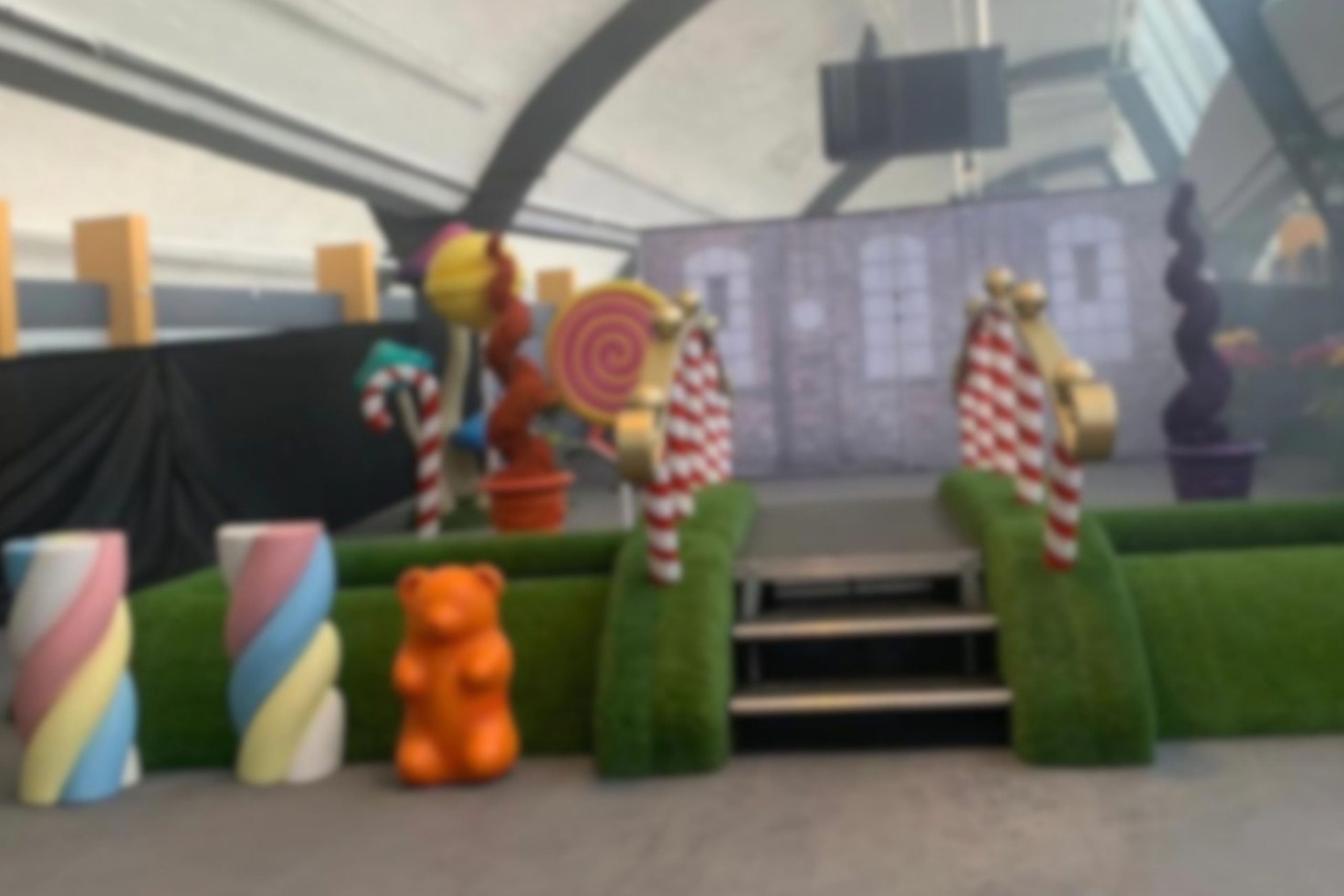
The whole thing felt poorly executed, and speaking to the staff, it was clear that this wasn’t a one-off; this was just how they ran things. This really let it down, not just because it looked great online, but because all the things that ruined it were pretty straightforward things that should be ticked off when running something like this. It wasn’t a full-blown Wonka-mageddon, as the infamous viral experience had done, but it still felt a bit short for a £25 ticket.
Doubling down on delivery doubles the return
Now that I have had my rant, I want to highlight what an exceptional experience looks like that happened the next day and restored my faith in this growing side of the industry. This one is even harder to do vaguely, but that’s fine, as they really do deserve their roses. This experience is a sports competition event that runs twice a day in one location for a couple of weeks. It’s a sumo tournament.
What really got this event its stars, though, was the planning and execution that went into this. It respected the tradition, having professionals competing, but embraced the modern-day/new audience with a host that ran you through the course of things and commentators who explained what you were seeing with instant slow-motion replay. This being in one place meant that they could really invest in the production with staging and decoration themed around the event and the fighter.
Furthermore, the addons and upsells were rampant here and in a way that only added to the experience. There was a clear distinction between the levels of tickets available, and yet even in the cheap seats, we still felt like we had great views and a great experience. Food and drink were not only available for preorder, but through a clear QR code system (divisive, I know, but well executed for something that is essentially a pop-up), you could quickly and easily get food and drink throughout the tournament without having to trudge through the space. Then to tie it all off a memorabilia stand for the sake fueled supporters to make the most of and get more involved in their newfound champion, or for a keepsake that even kombucha couldn’t get rid of.
It had really done what all experiences aim for and exceeded the expectations of their marketing.
Closing thoughts and lessons
With all that now I should be clear there was a big difference in price of ticket and general costing for these two events, so it is an unfair comparison on that account. However, every time an opportunity was missed by the first event, it only snowballed into what was its clear shaming by what truthfully was an experience that was done right.
So what were the lessons here?
- Know your space. As is the rule for many attractions and experiences, the space they occupy is the foundation of the whole thing and understanding their strengths and weaknesses helps you make the most out of and deliver a stronger experience. If your space can’t have liquids, don’t sell liquids!!!
- There’s always room for upsell. People will pay more if it’s worth it, so find a way to layer your ticketing and deliver the experience without withholding what it is that people have come for. Private meet ups, special merch or higher standard food and drink are all ways that the sumo built up its offering.
- Step up on socials. The one thing these both have in common is they both did great social media marketing and it worked to get people there. That’s because making content and sharing is easier than ever, so embrace it. People will make it themselves; you can either be part of it or hinder it.
If you’re looking to step up your ticketing, speak with our team to hear how we’ve helped experiences, attractions and ferries transform their systems that support their growth. Contact us